 Vegan Check
5 best vegan food scanner apps in 2026
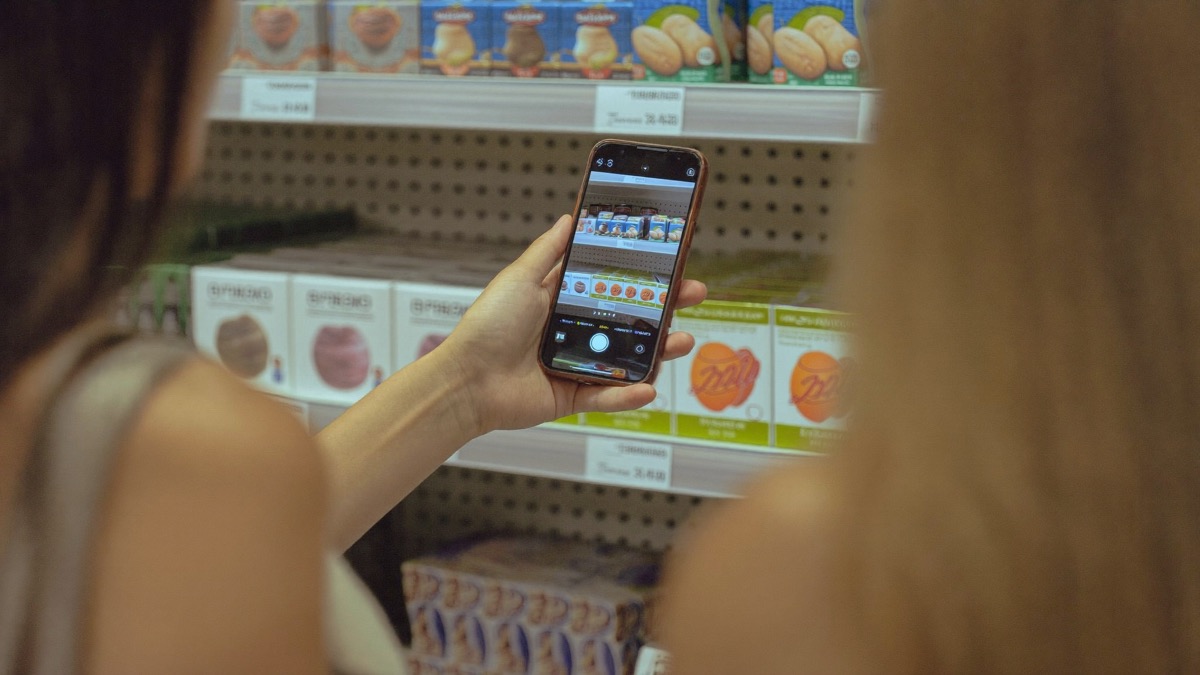
Every vegan scanner reads a barcode. That part is solved. What separates them is what happens between reading the ingredient list and putting a verdict on your screen — and the difference in quality there is enormous.
The five criteria that matter
- Does it name the ingredient? "Not vegan" on its own is useless. You cannot verify it, learn from it, or decide whether you personally care about that particular ingredient.
- Does it say when it doesn't know? The best test in the category. An unqualified "emulsifier" has an unknown origin. An app that returns a confident verdict there has invented the answer.
- Does it cover processing aids? Bone-char sugar, isinglass in beer, gelatin fining in wine — legally invisible, so any coverage has to come from a separate knowledge base rather than the label.
- How is the product database where you shop? Coverage is regional. Test with your own supermarket's own-brand, not with a global product.
- What does it cost, and for what? Subscription, credits or free with a community behind it. Each suits a different usage pattern.
The test to run firstScan something whose list says only "natural flavouring". A confident answer means guessing. "Origin not stated" means honest — and honesty is what makes the rest of the app's output worth anything.
The kinds of app on offer
Nutrition scanners with a vegan filter
Broad food apps that added a vegan indicator among many scores. Usually the best product databases by a wide margin, but the vegan logic is one feature among dozens and rarely explains itself.
Community-maintained vegan databases
Product lists verified by users. Excellent where the community is active, including on processing aids that no label reveals — that human knowledge is something no automated reader can reproduce. Thinner coverage outside their core regions.
AI ingredient analysers
Apps that read the declared list and reason about each entry. Broadest coverage, since they work on anything with a published composition, but entirely dependent on the quality of that list. Ours is here.
Where Vegan Check wins, and where it doesn't
We make it, so read this accordingly.
What it does well
- It explains every verdict. The specific ingredient is named, which is the difference between a tool you use forever and one you stop needing.
- It admits uncertainty instead of resolving an ambiguous additive for you.
- It knows the documented processing aids — isinglass, gelatin fining, bone-char sugar — which pure label readers miss entirely.
- Manual search for anything without a barcode.
Where it loses
- Scanning requires the in-app purchase. Free community apps win on price, full stop.
- No community verification. Where a crowd-sourced database has a human-confirmed answer on a local product, that beats any automated reading.
- Thinner on small local brands, since the database is global.
- iPhone only.
Honest summaryIf you want to understand why a product fails and learn to read labels yourself, this app is built for that. If you want free, or community-verified answers on local products, a community database will serve you better.
What none of them can do
No scanner can read what the manufacturer never wrote. The origin of an unspecified E471, whether a sugar passed through bone char, which fining agent clarified a wine — these are outside the label entirely. The honest ceiling of the category is telling you what is declared and being clear about what is not.
Keep reading
9 foods that aren't as vegan as you think
Sugar, beer, orange juice, red sweets: everyday products that fail on an ingredient nobody mentions.
Read the guide
Which E-numbers are vegan? The reference list
Which additives are animal-derived, which never are, and which are genuinely ambiguous.
Read the guide