 Vegan Check
9 foods that aren't as vegan as you think
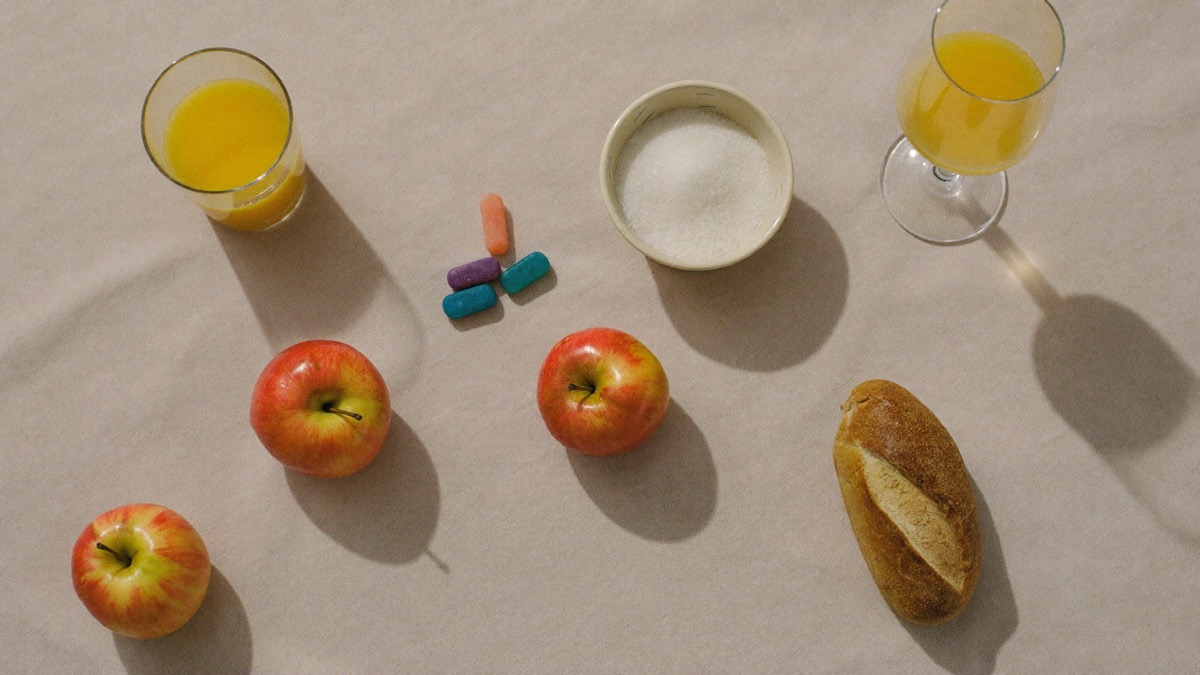
The difficult part of eating vegan is not avoiding meat. It is the products that look entirely plant-based and are not, because something animal was used somewhere in the process and never made it onto the label.
1. White sugar
Some cane sugar is filtered through bone char — charred cattle bone — to achieve its white colour. None of it ends up in the final product, so it is a processing aid and does not have to be declared. Beet sugar never uses it, and organic cane sugar generally does not. Where it matters to you, look for beet or organic.
2. Beer and wine
Both are commonly clarified with animal products: isinglass (fish swim bladder) in beer, gelatin, egg white or casein in wine. Again, processing aids, again unlisted. A growing number of producers now state "suitable for vegans" precisely because so many people ask.
3. Red and pink sweets
E120, also written carmine or cochineal, is a red colouring made from crushed scale insects. It is in sweets, some yoghurts, drinks and cosmetics. This one is on the label — as a number most people have never looked up.
4. Shiny sweets and shiny fruit
E904, shellac, is a resin secreted by the lac insect. It is the glaze on hard sweets, chocolate beans and — surprisingly often — on apples and citrus to make them shine in the supermarket. Loose fruit rarely carries an ingredient list at all.
5. Orange juice and "heart-healthy" drinks
Fortified juices often add omega-3 from fish oil or vitamin D3 from lanolin, the grease in sheep's wool. The fortification is a selling point printed on the front; the source is not.
6. Bread
Commercial bread can contain L-cysteine (E920), a dough conditioner historically produced from feathers or hair. Synthetic and microbial versions exist and are increasingly standard, but the code alone does not tell you which was used.
7. Crisps and savoury snacks
"Cheese and onion" is often genuinely cheese-derived, but the bigger trap is E631, disodium inosinate, a flavour enhancer frequently made from meat or fish. It appears in many savoury snacks that look otherwise plant-based.
8. Pesto and Parmesan-style sauces
Traditional Parmesan uses animal rennet, an enzyme from calf stomach. Many hard cheeses do. This affects vegetarians as much as vegans, and it is rarely stated beyond the word "rennet".
9. Chewing gum
The gum base can include lanolin or stearic acid of animal origin, and the coating is often shellac again. Gum base is declared as "gum base", which discloses nothing.
The pattern behind all nineEvery one of these fails for the same structural reason: European labelling law requires ingredients to be declared, not processing aids. Bone char, isinglass and fining agents are legally invisible. No scanner can read what was never written — which is why the useful thing an app can do is flag the ones that are declared, and tell you plainly when the answer is unknowable from the label.
The short list to memorise
If you remember five codes, you catch most of what hides in plain sight:
- E120 — carmine, from insects
- E441 — gelatin
- E542 — bone phosphate
- E904 — shellac, from insects
- E913 — lanolin, from wool
And two words worth treating as unknowns until proven otherwise: "natural flavouring" and "emulsifier" without a stated source.
Keep reading
Which E-numbers are vegan? The reference list
Which additives are animal-derived, which never are, and which are genuinely ambiguous.
Read the guide
5 best vegan food scanner apps in 2026
What separates a useful vegan scanner from a guessing machine — ours included, weaknesses and all.
Read the comparison